Look beyond first impressions.
Scenery and visible improvements can matter to a buyer without establishing what the ranch can produce. Their appeal and the ranch’s productive capacity are different questions.
RANCH ACQUISITION / FIELD EVALUATION & RVI
The best-looking ranch is not necessarily the best producer. Acreage alone does not tell you what the place can support.
Field evaluation and the Ranch Value Index (RVI) examine what supports the value, what puts it at risk, and what improvement would require—before you buy.
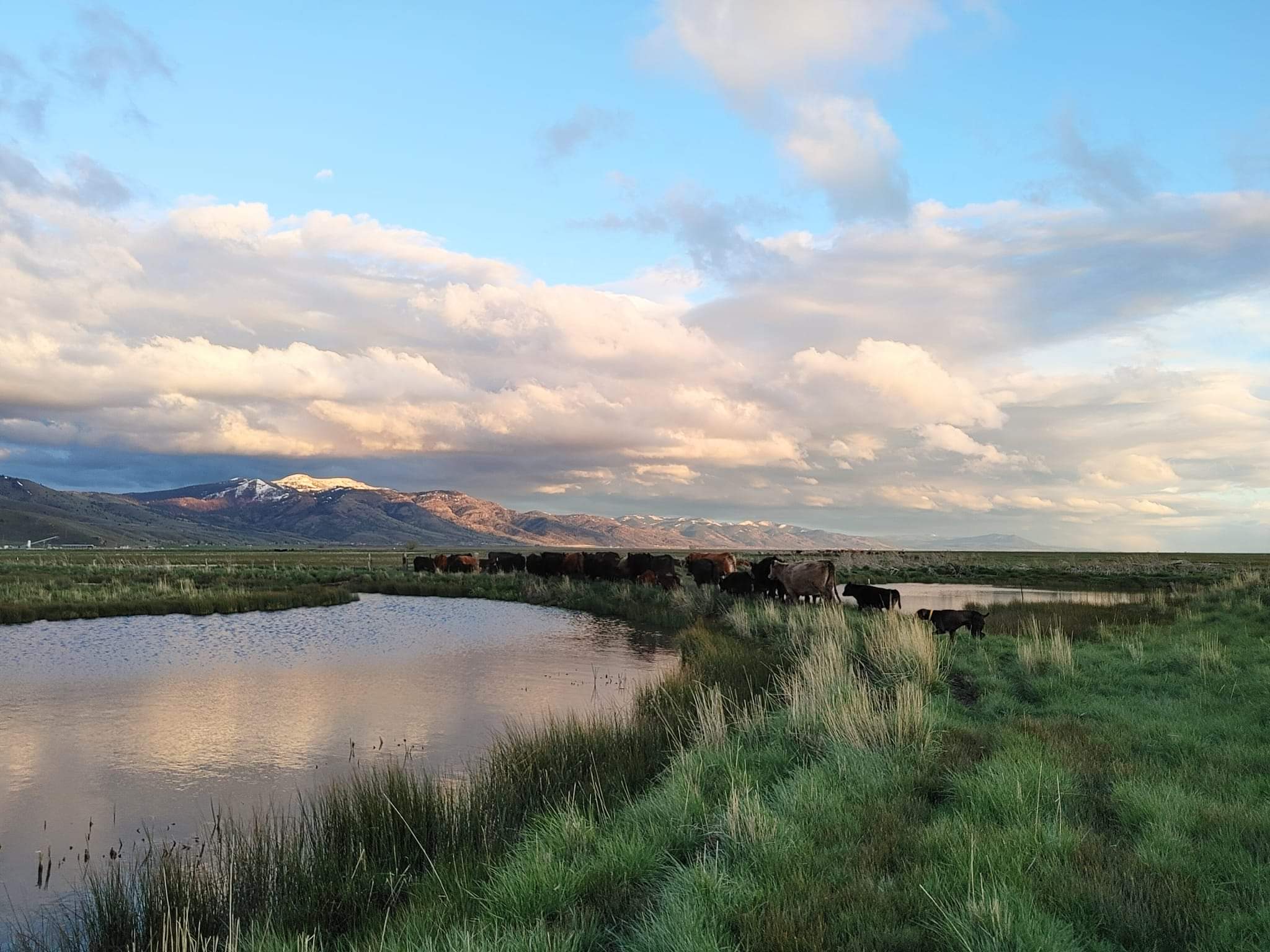
THE RANCH-VALUE QUESTION / 1:00
Why a smaller ranch with dependable water can produce more, where an acreage-led valuation can fall short, and how field evaluation and RVI help examine the underlying capacity and risks.
Ranch values are complex. Acreage and appearance don't tell you what a place can support.
A smaller ranch with dependable water may be more productive than a larger one with water limitations.
Field evaluation and the Ranch Value Index examine water security, growing season, carrying capacity, and feed security.
We connect those findings with ecology, wildlife, infrastructure, people, and operating costs.
What do observations and records support? What still rests on an assumption?
We separate present capacity from potential that needs investment, work, or proof.
The purpose is a clearer basis to pursue, reconsider, or walk away.
Productive capacity is part of value, not all of market value.
Ranch and Range. Applied ranch judgment. Let's talk about your search, or a ranch you're considering.
FIELD EVALUATION & RVI
Look beyond
the sales sheet.
A smaller ranch with dependable water may support more production than a larger one with water limitations. The acreage total cannot answer that question.
The Ranch Value Index (RVI) examines water security, growing season, carrying capacity, feed security, and risk. Field evaluation connects those fundamentals with ecology, wildlife, infrastructure, people, and operating costs.
Separate what the ranch supports now from improvements that still need money, work, permissions, or evidence. Distinguish what was observed, what records support, and what someone has reported.
The purpose: a clearer basis to pursue, reconsider, or walk away. Productive capacity is part of value—not all of market value.
01 / WHERE VALUATION FALLS SHORT
Valuation falls short when acreage and appearance replace an understanding of how a ranch actually works. An attractive description can leave the productive capacity, operating demands, and risks unexplained.
Scenery and visible improvements can matter to a buyer without establishing what the ranch can produce. Their appeal and the ranch’s productive capacity are different questions.
Total acres do not explain usable forage, growing season, recovery, or dependable water. More land does not automatically mean more productive capacity.
Water, forage, wildlife, livestock, infrastructure, people, and costs work together. Understanding those relationships is different from adding up the features on a sales sheet.
Productive capacity is part of value, not the whole of market value. Field evaluation and RVI help put that capacity—and its limits—into context. How evaluation and RVI fit
02 / WATER AND PRODUCTIVE CAPACITY
A smaller ranch with dependable water can be more productive than a larger one with water limitations. The question is not just how much land there is, but what that land, water, ecology, and operating system can support together.
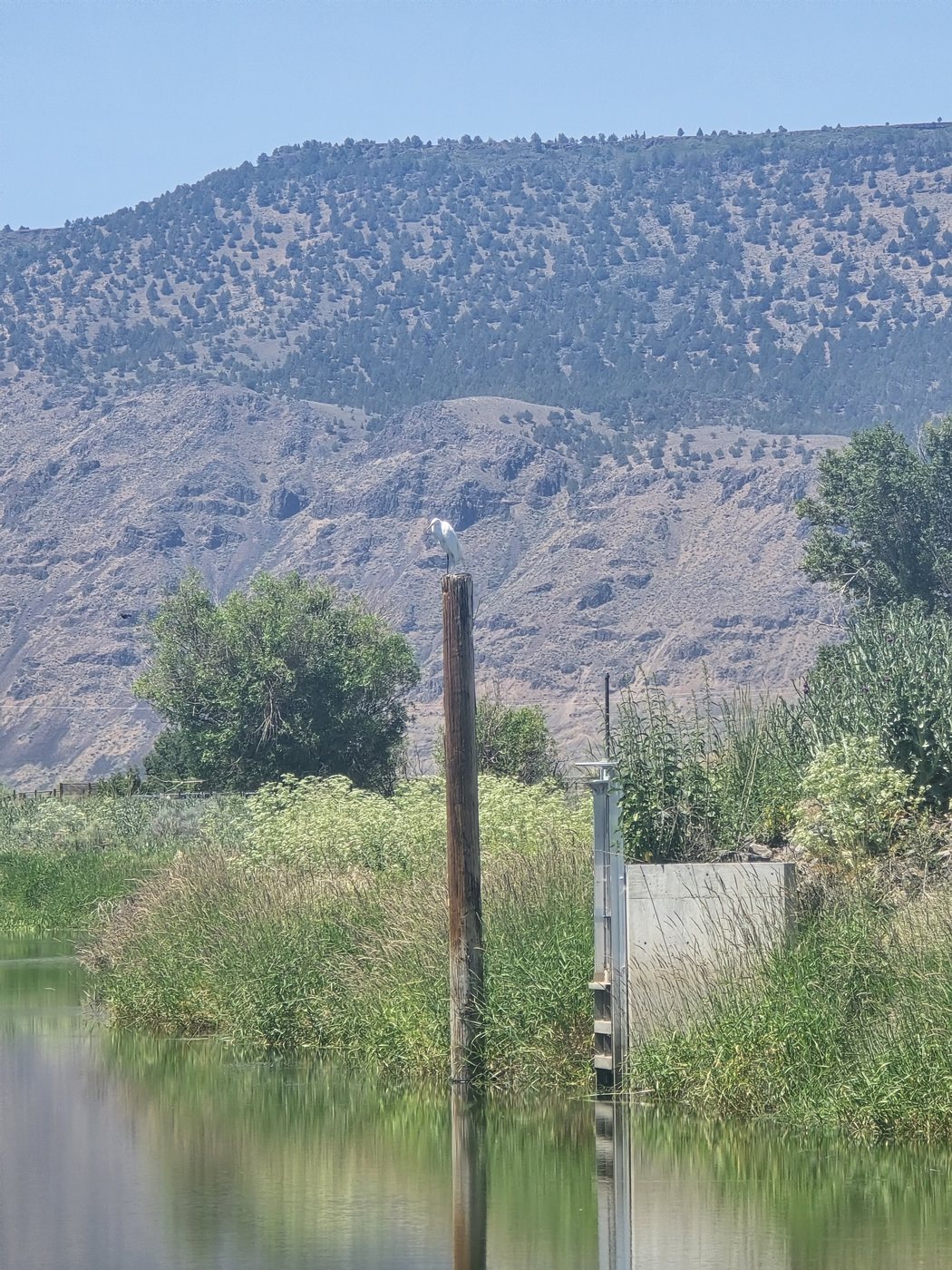
Presence alone is not enough. Timing, reliability, delivery, and operating cost matter to forage, livestock, streams, habitat, and the work required to keep the system functioning.
Growing season, usable forage, recovery, and feed requirements beyond grazing all affect what the ranch can carry. Acreage alone does not establish that capacity.
Soil cover, plant communities, recovery, habitat, and wildlife are part of how the ranch functions. Regenerative potential needs to be understood through the condition on the ground, not a label in a sales description.
Feed, handling, labor, infrastructure, and capital can limit an otherwise promising ranch. Production and the cost of sustaining it belong in the same discussion.
03 / FIELD EVALUATION & RVI
Ranch & Range pairs field evaluation with the Ranch Value Index: water security, growing season, carrying capacity, and feed security. On-the-ground observations connect those fundamentals to ecology, work, operating costs, and questions still needing evidence.
Understand the observed condition, documented resources, forage and feed base, functioning systems, and operating demands. Make clear where the evidence supports present capacity and where the understanding is incomplete.
An improvement may be worth pursuing, but it is not existing capacity. Keep the capital, work, skills, time, ecological recovery, and assumptions still needing proof separate from what the ranch supports today.
Acquisition assistance does not replace specialist verification. Where a question calls for legal, title, water-rights, financial, survey, or other technical work, the relevant findings need to come from qualified professionals.
04 / FROM EVALUATION TO A PURCHASE DECISION
Whether the search is just beginning or a ranch is already under consideration, connect the desired use to what the property can actually support. Consider the asking price alongside productive capacity, operating demands, constraints, and the work an opportunity would require.
THE WORK SHOULD LEAVE YOU WITH
The outcome is not a predetermined “yes.” It is a reasoned basis to pursue, reconsider, or walk away. Ongoing management is a separate engagement, not automatically included in acquisition assistance.
ACQUISITION PRICING
Acquisition assistance and search are separate from ongoing ranch management. Discuss the property question, search needs, and scope before beginning.
See the full pricing pageThe retainer counts toward the final fee. The total is $2.50 multiplied by the acres purchased. The $2,500 retainer is credited against that amount—not added on top.
Plus travel expenses.
BRING THE RANCH QUESTION
Have a ranch in mind, or still looking? Begin with the kind of operation you want and the questions that need a closer look—not just an acreage target.
Listing filters describe a property. Field evaluation and RVI examine how its resources, productive capacity, operating demands, and risks relate to the purchase decision. This page does not provide live listings or confirm property availability.
No. Ongoing management has its own scope and monthly structure. Explore Whole Management or review ongoing-management pricing.
No. A search can begin with the kind of ranch and operation you need. If a property is already under consideration, start with what is known about it and what needs closer examination.