Fit the practice to the place.
Rainfall, soils, water, seasons, people, and finances differ. The approach has to fit the ranch—not the ranch a prescribed system.
REGENERATIVE RANCHING
Regenerative ranching is a series of choices, guided by a different mindset. We start by understanding what is happening on your ranch—not imposing a system.
WATCH THE OVERVIEW
Understand the ranch. Make small changes, observe, and adjust. Seek value for the land, the animals, and the people.
Regenerative ranching is a series of choices, guided by a different mindset.
We start by understanding what is happening on your ranch—not imposing a system.
We look at how soil and microbial life connect to grass, inputs, and animals—and how the ranch affects the people doing the work and the community around it.
Then we make small changes, observe what happens, and adjust.
Those choices should add value. Sometimes that value is ecological. Sometimes it is in the animals, or in the lives of the people. It is not always a dollar figure.
Over time, the aim is for positive changes to build on one another and improve the whole ranch.
Ranch and Range. Applied ranch judgment. Let’s talk about your ranch.
PRACTICE, NOT MEMBERSHIP
Regenerative practice is not an all-or-nothing category. An operation can improve without adopting a new identity or buying a badge.
WHAT GUIDES THE WORK
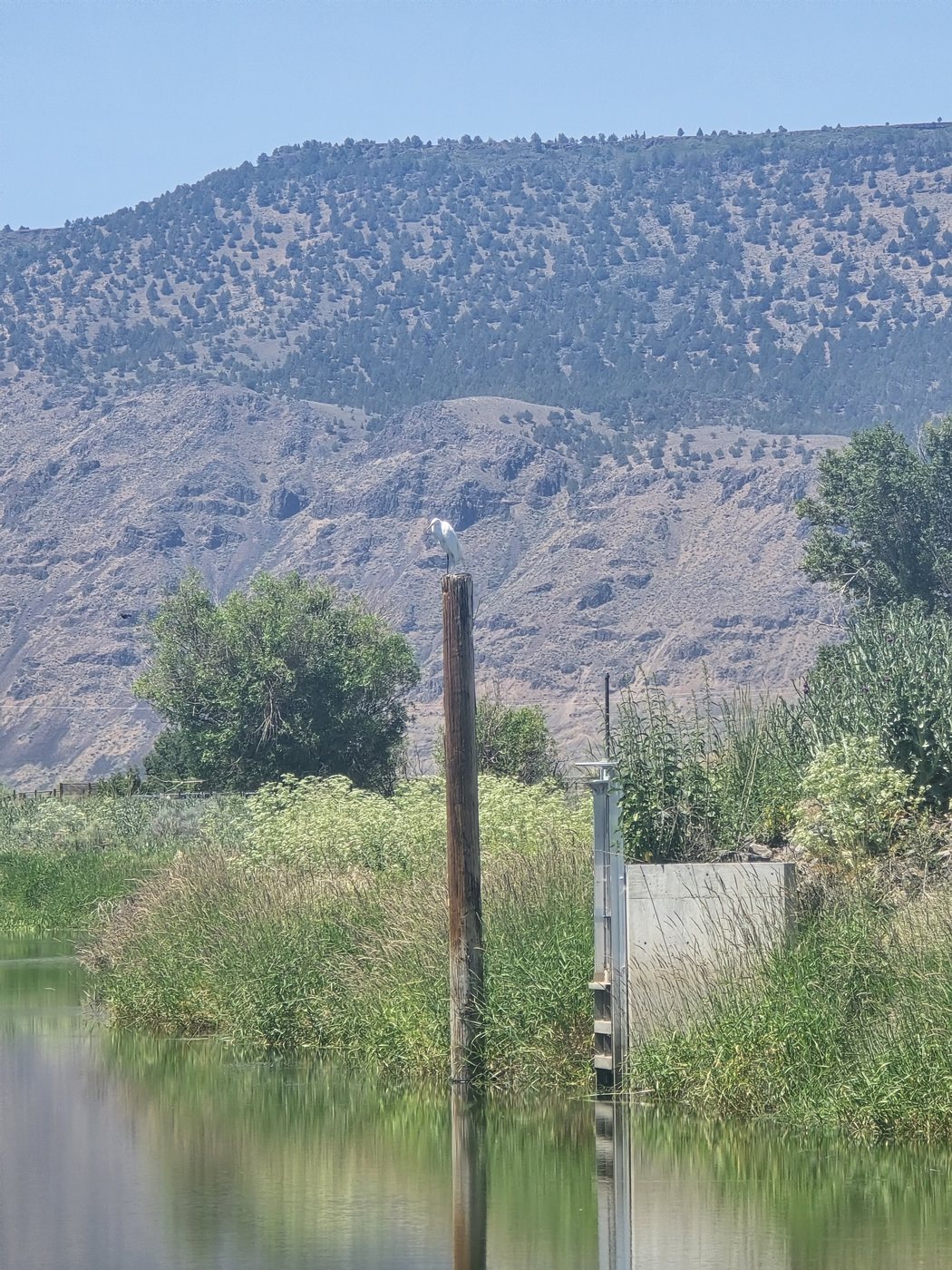
Rainfall, soils, water, seasons, people, and finances differ. The approach has to fit the ranch—not the ranch a prescribed system.
Look for value in lower inputs, expenses, and workload, alongside ecological function and food quality—not just the retail price.
A conventional operation can begin with useful changes. Improving one part does not require abandoning everything else or joining a category.
Choose a tool for what it does in context—not whether a doctrine permits it. Principles should support judgment, not replace it.
Some useful changes cost nothing. Start by questioning unnecessary inputs, expense, and work—not by assuming another product or subscription is needed.
A certificate or dashboard cannot replace knowing the ranch. Ask what it actually demonstrates about the ecology and the work.
APPLIED RANCH JUDGMENT
Whole Management
puts it to work.
Water, soil, wildlife, cattle, people, and money remain part of the same working system. Whole Management supplies a decision process: clarify direction, test a choice, act, observe, and adjust.
Keep the goal in view. Be willing to change the method.
How Whole Management worksSTART WITH A CONVERSATION
A ranch you run. A place you’re considering.
Tell me what you’re working through. The first conversation is free.